Bespoke fuel systems for critical infrastructure and industries
The fuel behind your uptime
Standby power is only as reliable as the diesel or HVO sitting in the tank. We inspect, clean, refresh and monitor the fuel systems that data centres, hospitals and industrial sites depend on.
24/7
Emergency response
UK-wide, 365 days
24
ADR-certified tankers
Direct fleet, not brokered
ATEX
Rated equipment & anti-static PPE
For work in hazardous areas
100%
OFTEC-registered engineers
On every inspection
Working to
- OFTEC
- DSEAR
- ADR
- ISO 4406
- HSG 176
- FORS Gold
The weak link
Everything else in the resilience plan assumes the fuel is fine.
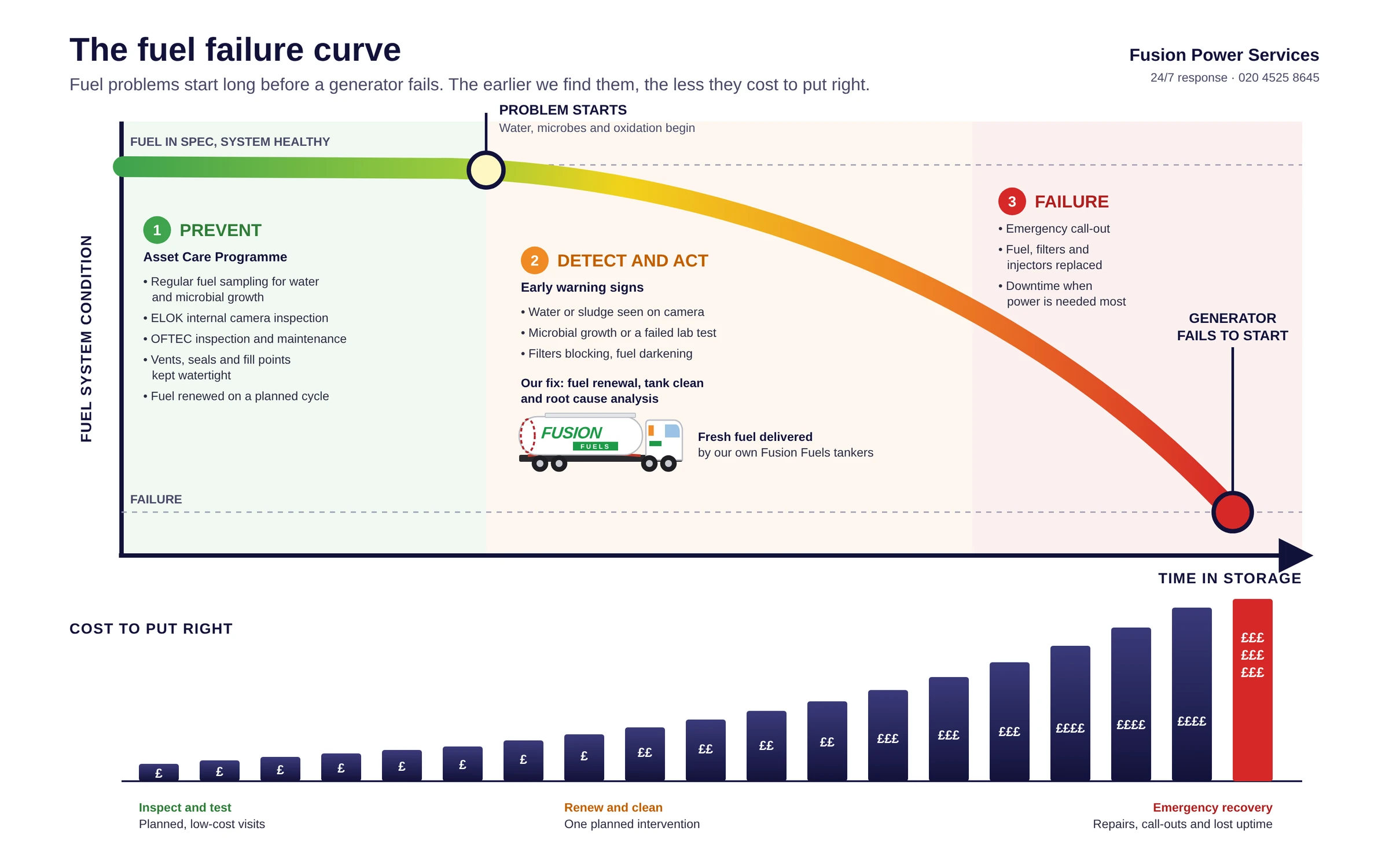
UPS systems are tested. Generators are load-banked. Transfer switches are exercised. And then the diesel or HVO that feeds all of it sits in the tank, which can significantly degrade if assets are not maintained.
When standby power fails, 80% of the time the fuel system is one of the most common causes – yet one of the most preventable.
Water ingress
Condensation forms every time a tank breathes through a day–night temperature cycle. Water settles under the fuel and becomes the growth medium for microbial contamination. Where water is present, bacteria and other microorganisms can form biofilms on tank walls, floors and internal structures, including in HVO systems. These deposits can block filters, contribute to corrosion and compromise generator reliability.
Microbial growth
The so-called diesel bug lives at the fuel–water interface. It blocks filters, corrodes tank floors and can take a generator from healthy to failed within a single run.
Fuel degradation
Modern diesel with a biodiesel content begins oxidising within 6–12 months. Both diesel and HVO can deteriorate under poor storage conditions, with water ingress and contamination compromising fuel quality and generator reliability. Sites that rarely run their standby plant are the most exposed, not the least.
Untested assumptions
A tank that has never been inspected should never be assumed clean. Without fuel testing and an internal 360° camera inspection, contamination and deterioration can remain hidden until they disrupt operations.
What we do
End-to-end care for the fuel that keeps you online
Nine service lines across three stages — delivered by our own engineers and our own ADR-certified fleet, not subcontracted on.
Inspect
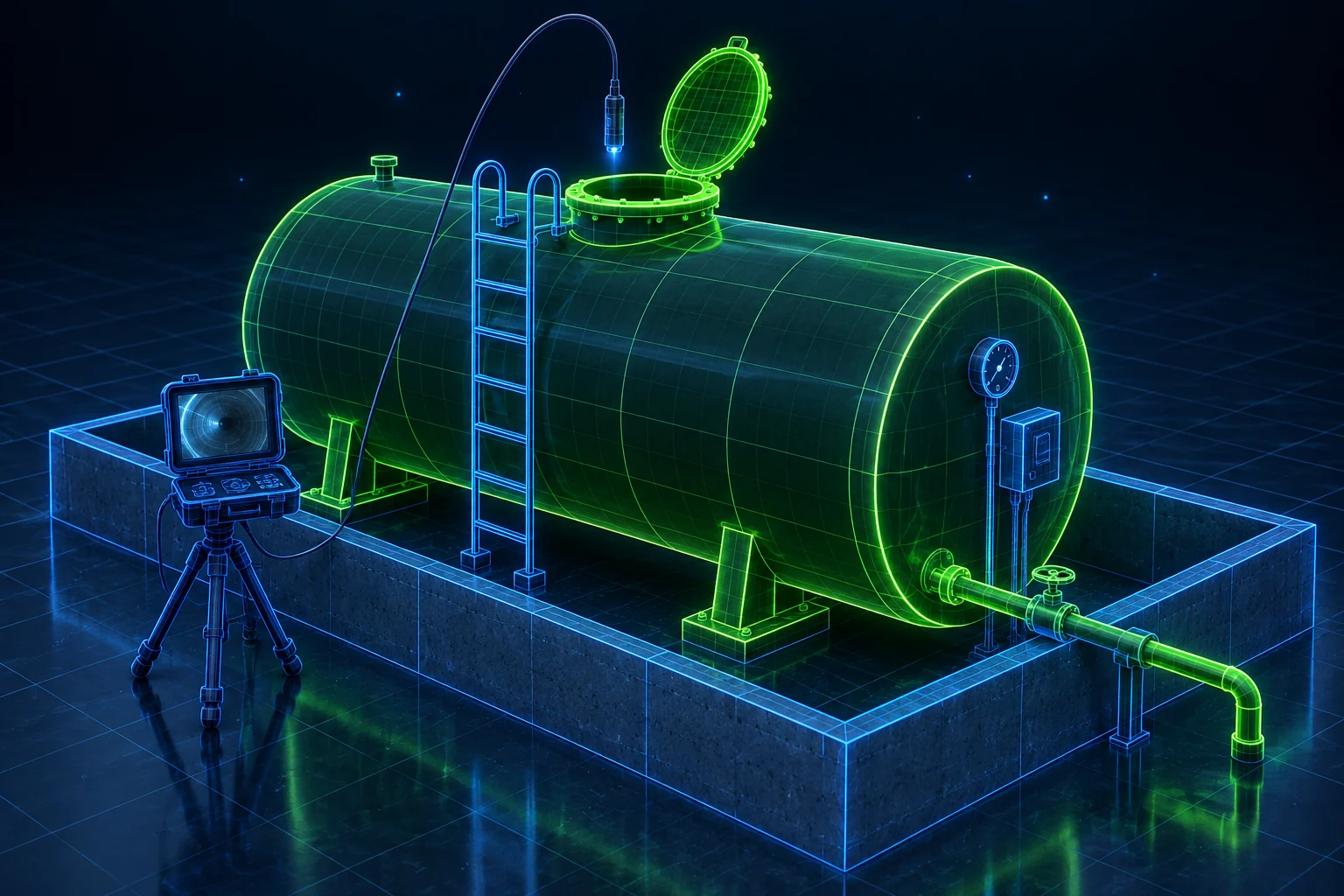
Know the condition of every asset
Establish what condition the system is actually in, and what the standard requires.
Understand
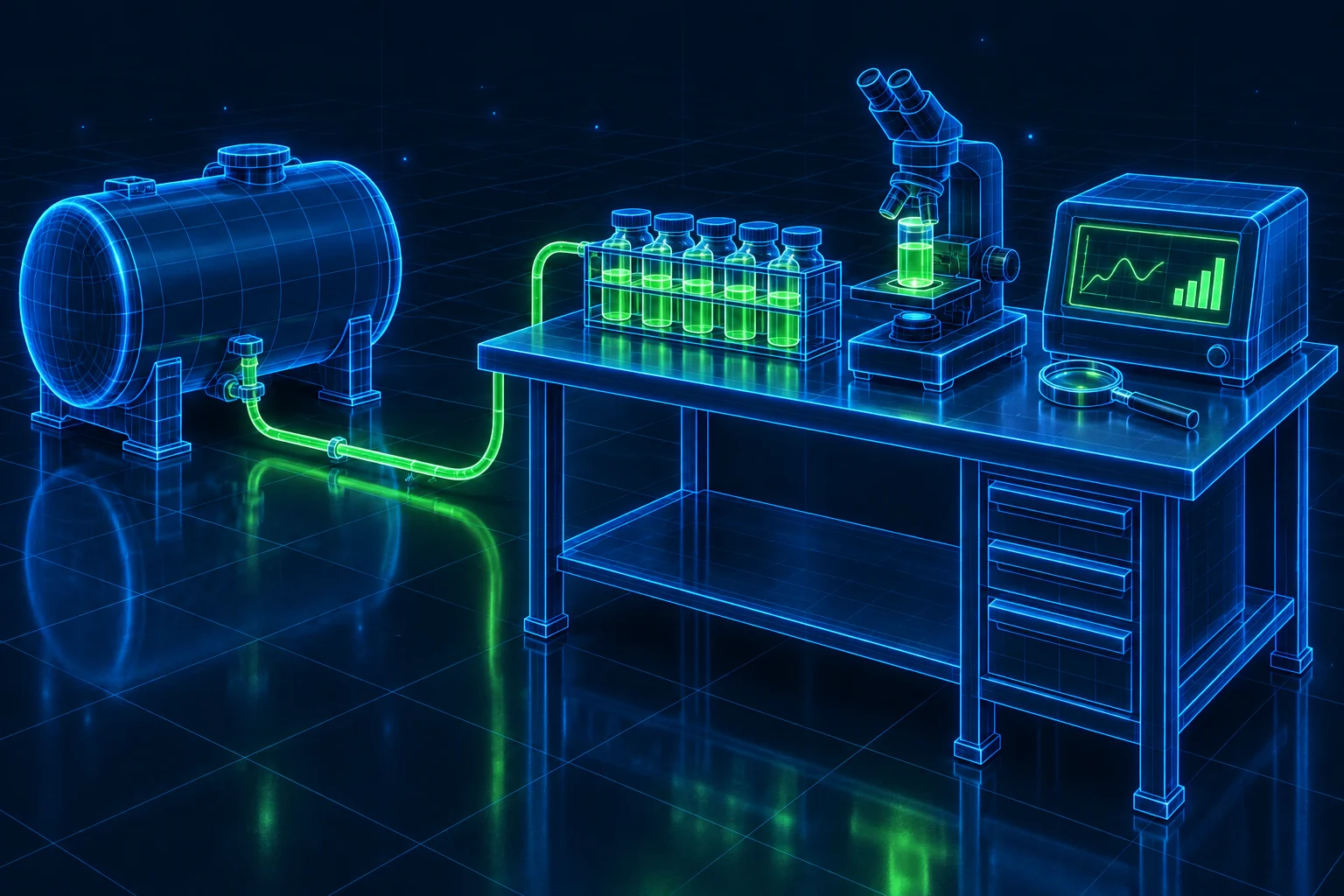
Find the cause, not just the symptom
Fuel testing, a 360° camera inspection and a structured diagnostic method show what is happening in the fuel and the tank, and why.
Act
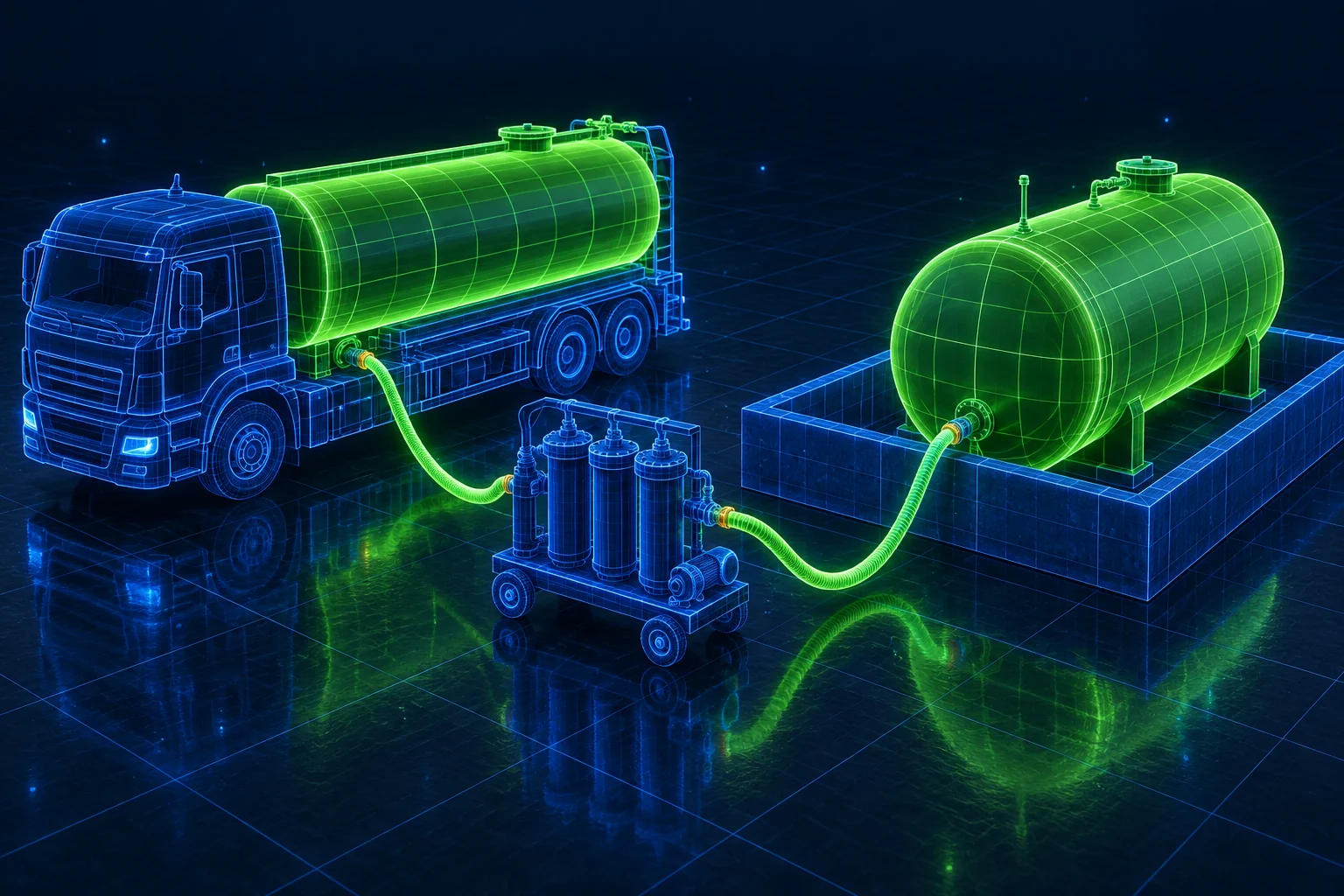
Put it right, keep it right
Deal with what the inspection found, in the fuel and in the tank, keep it that way, and be there within hours when something goes wrong.
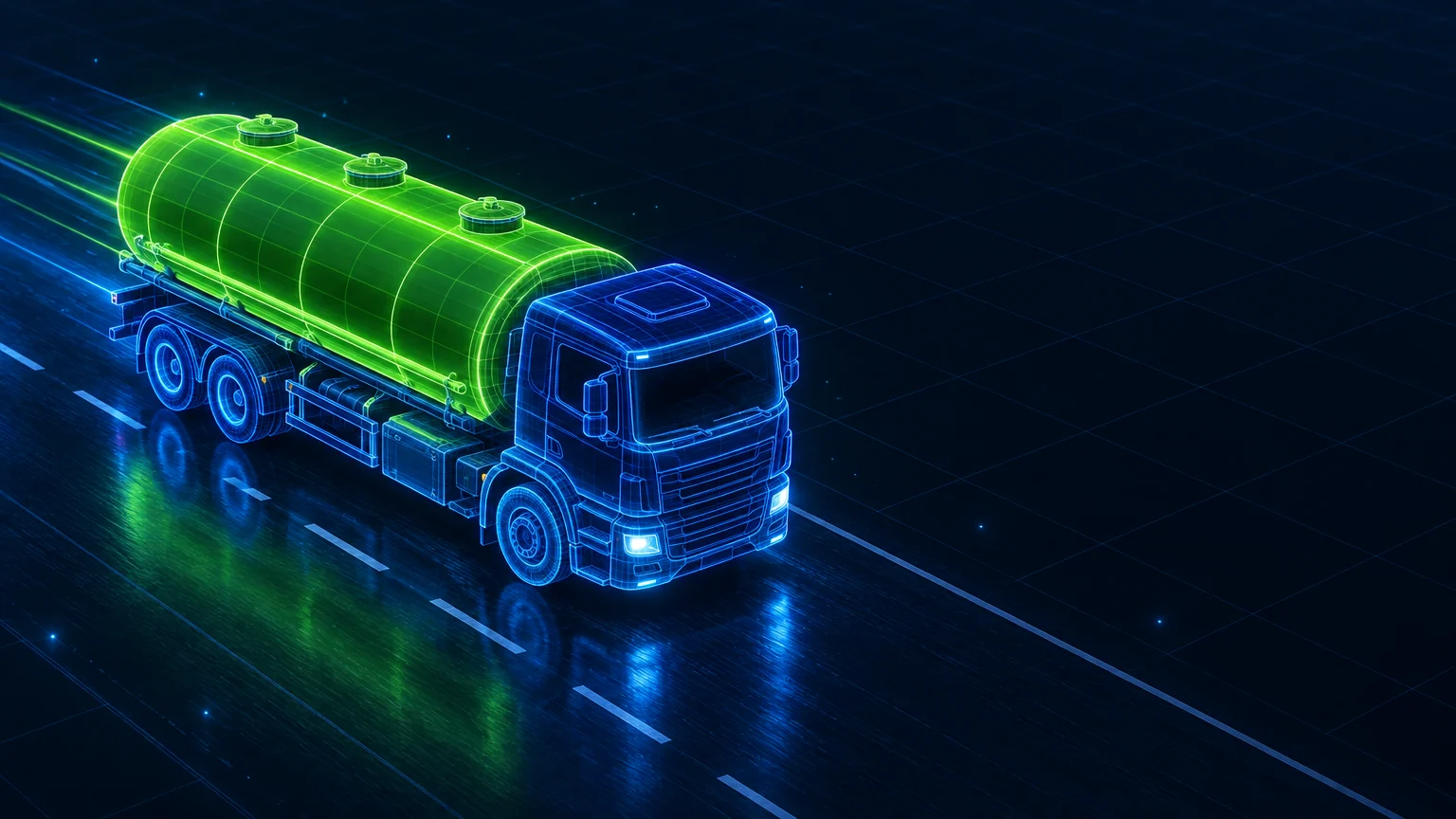
Our own fleet
The engineer who arrives works for us
Emergency work is not brokered out to whoever is nearest and available. We mobilise our own OFTEC-registered engineers and ADR-certified tankers from depots positioned around the M25 and South Coast, and cover sites across the UK — which is why we can commit to response times and why the person on site can actually make decisions.
- Fusion Power Services — the whole of the UK
- Fusion Fuels — London and the Home Counties
- Southampton
- Winchester
- Heathrow
- Cobham
- Rainham

Who we work for
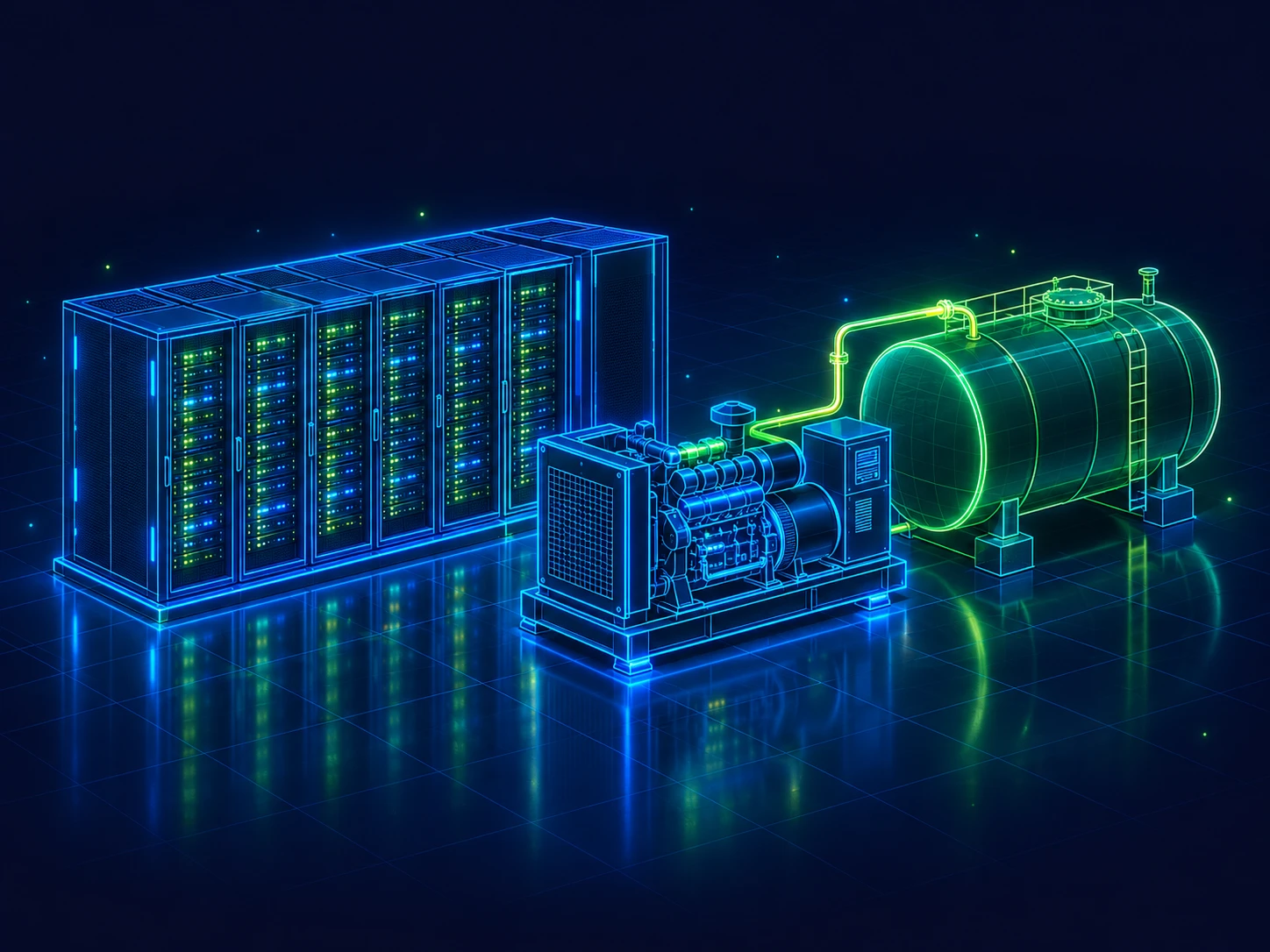
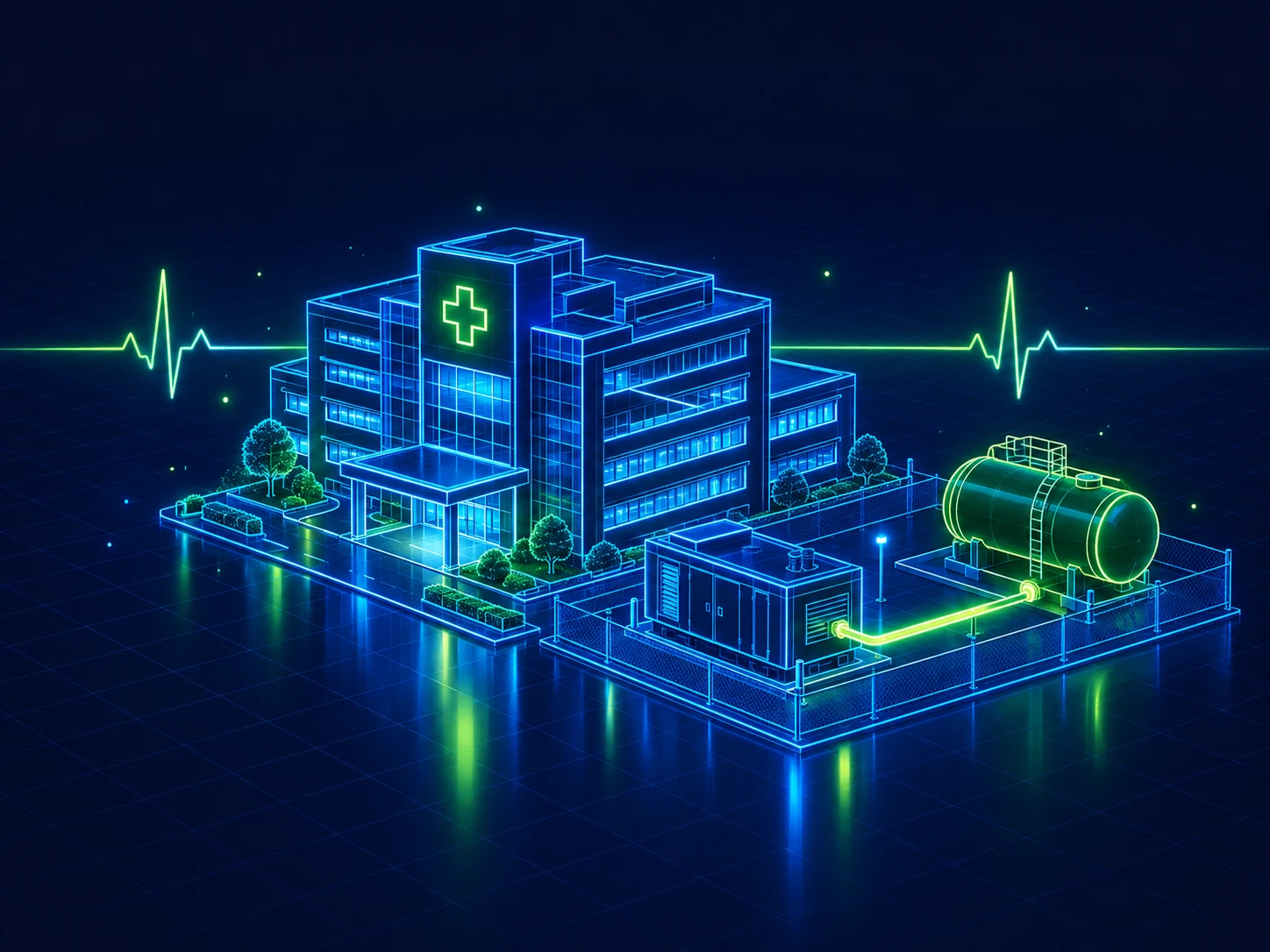
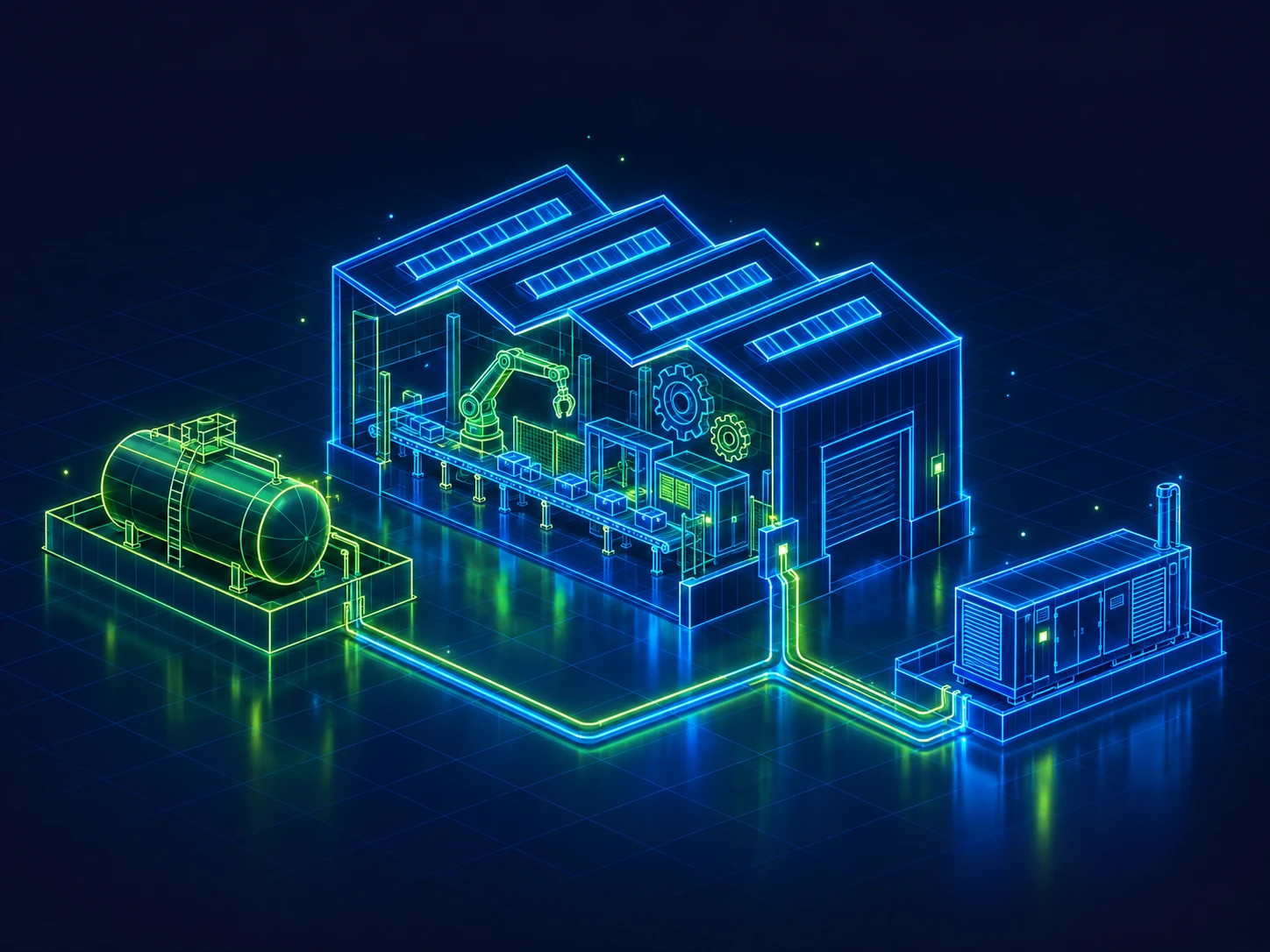
Built for sites where uptime is everything
Different sectors, one shared requirement: the standby system has to start every time, without fuel being the reason it fails.

How we work
Evidence first. Every visit, every site.
A repeatable method that starts from the applicable standard and ends with proof — so your fuel systems are audit-ready between visits, not just after them.
Baseline inspection
An OFTEC-registered engineer records every asset on site — tank type and capacity, bund condition, pipework, pumps, filters, gauges and fire valves — and risk-rates each one against the applicable standard.
Signed condition report
See, Sample, Study
We inspect inside the tank with a 360° camera to assess the fuel and the internal condition of the asset, then draw samples from the tank bottom and working level for independent laboratory analysis of water, particulates and microbial growth.
Camera and lab results
Scope from the standard
We focus on renewing and refreshing fuel to support reliable performance. Guided by fuel condition and the relevant standards, we provide clear recommendations and a practical plan tailored to your site.
Costed action plan
Remediate & verify
Cleaning, refresh, replacement or repair is carried out by our own engineers, then verified by a post-work camera inspection so the result is proven rather than assumed.
Post-work verification
Monitor & schedule
Assets go on a planned schedule with the right interval for their risk. Trends are tracked across visits so degradation is caught before it becomes a failure.
Ongoing asset register
Our vision
To be the trusted partner for cleaner, safer and always-ready fuel systems in critical infrastructure and industry.
Our mission
To combine technology, compliance and hands-on expertise to keep fuel systems clean, monitored and compliant — so our customers’ operations never stop.
Common questions
What operators ask us first
How quickly can you respond to an emergency?
Our emergency line is staffed 24 hours a day, every day of the year. Call 020 4525 8645 and you will speak to someone who can mobilise engineers and ADR-certified tankers, not an answering service. We prioritise sites running critical loads — data centres, hospitals and standby generation.
How often should standby generator fuel be tested and refreshed?
For critical standby generation the accepted practice is to sample and test fuel at least annually, and to refresh it whenever laboratory analysis shows water, particulates or microbial growth outside specification. Diesel begins to degrade within 6–12 months of storage, so sites that rarely run their generators are usually at higher risk, not lower.
Does fuel refresh keep my tank clean?
Not on its own. A fuel refresh deals with the fuel and tank cleaning deals with the tank, and we usually do both in one visit.
Do you work on live sites without shutting down our generators?
Yes. Most of our work on critical infrastructure is carried out with standby systems available. We plan around your resilience requirements, agree method statements and isolation points in advance, and schedule work so that N+1 redundancy is maintained wherever the site design allows it.
What documents do we receive after a visit?
Every visit closes with a report signed on site, followed by a digital pack: dated photographic evidence, fuel sample results and ISO 4406 cleanliness rating where samples were taken, waste transfer notes under Duty of Care, and a recommendations list with a suggested next visit date.
Are you able to cover multiple sites under one contract?
Yes. Multi-site planned maintenance is one of the main reasons customers move to us. You get a single contracting entity, one insurance policy, a digital asset register covering every site, and SLA-backed response times — rather than coordinating a different local contractor at each location.
Let’s find out what is actually in your tanks.
Book a baseline inspection and fuel sample. You will get a signed condition report, laboratory analysis and a costed action plan — whether or not you go on to use us for the remedial work.